Please complete the form below to arrange an appointment with one of our engineers. For all other enquiries, please use our contacts page
(+34) 638 734 492
Holiday Rental Controls
The Problem
One of the biggest issues holiday rental owners face is guests leaving the air conditioning on all the time, even when they’re not in the property. This leads to high electricity bills, excessive wear on the system, and unnecessary energy waste.
Fortunately, there are several ways to control air conditioning usage—some better than others. Let’s take a look.
Coin-Operated Meters
A popular option is to use coin-operated timers. Guests pay to use the air conditioning, which encourages them to be more mindful.
Coin meters come in two types:
Time-based – e.g., 1€ = 1 hour of usage, regardless of how many units are running or how hard they’re working.
Consumption-based – charges based on electricity used, just like your energy provider does. This is fairer, rewarding guests who use the system efficiently.
Drawbacks:
Modern inverter systems don’t like having their power cut suddenly—coin meters can’t allow the system to shut down gently, which could shorten the lifespan of the unit.
Security risk: You’ve got cash sitting inside the property.
Inconvenience: Someone needs to collect the coins regularly.
Single Button Timers
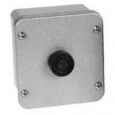
These work like coin meters, but instead of inserting money, guests just press a button. The air conditioning then runs for a fixed time (usually around 2 hours) before switching off automatically.
These systems stop guests from leaving the air con on all day—but they still cut the power directly, which has the same problem for inverter units.
Infrared (PIR) Sensors
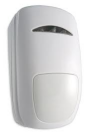
These detect movement in the room and keep the air conditioning running as long as motion is detected. Sounds clever—but in practice, they’re unreliable.
The Problems:
Don’t detect someone sleeping or staying still.
Have blind spots in larger or irregular rooms.
Require extra control circuitry to avoid constant start/stop cycles, which damages the unit.
We’ve tested these in real installations and found them hit and miss. They may work okay in small, active rooms like lounges, but we don’t recommend them overall.
Door and Window Contacts
A simple, effective option. Magnetic sensors detect if a door or window is open, and the air conditioning is disabled while it stays open.
This works well—but it’s important the system includes a delay (a few seconds) to stop it constantly turning off if someone pops outside briefly. Without the delay, it can cause the unit to rapid-cycle, which puts unnecessary strain on the system.
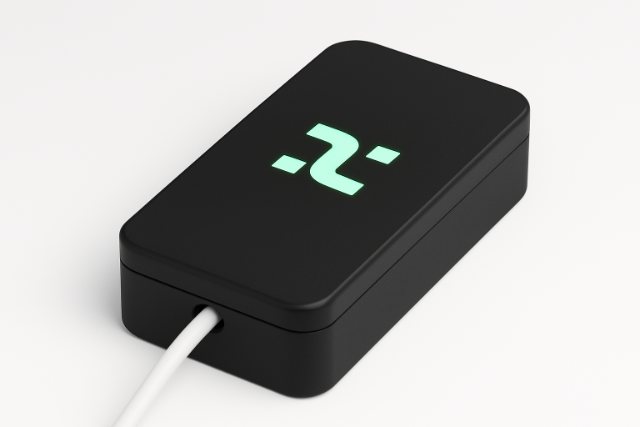
Our Solution – The Xenaire XEN2 Smart Controller
At AireFresco, we’ve developed our own system through our sister company Xenaire. It addresses the core issue with most of the above solutions: they all cut power directly, which isn’t ideal for modern inverter systems.
Our system works differently:
It interfaces directly with the air conditioning unit, allowing the system to shut down properly.
It’s completely invisible to guests, as it's installed inside the air conditioning unit.
It allows:
Run-time limits (e.g. 2 hours max use)
Temperature limits (e.g. minimum 22°C, maximum 26°C)
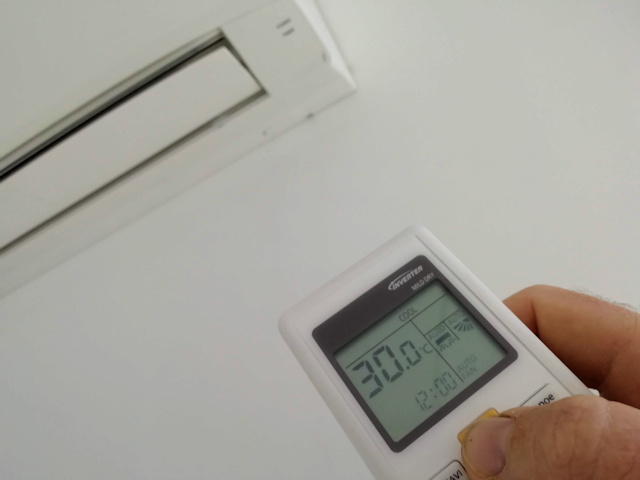
Full use of the remote control, but with invisible restrictions
No more air con left running all day, and guests won’t even realise controls are in place.
Currently, this solution works with Panasonic systems, and it's one of the cheapest and most effective options available.