The right unit for you
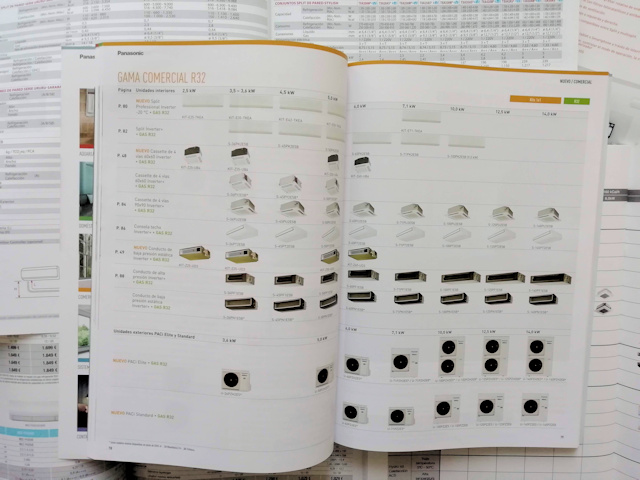
There are loads of options out there, and picking the right system can be a bit overwhelming. But it’s not about which brand is “the best” on paper—it’s about which system suits your space, your usage, and your priorities.
Here are the key things to consider:
Capacity – Bigger Isn’t Always Better
A common myth is that a more powerful system will cool or heat a room faster. That’s not always true—and oversizing a system can actually cause more harm than good.
- Undersized unit: Struggles to reach the set temperature, runs constantly, causes wear and tear, and often fails early.
- Oversized unit: Short cycles on/off, leading to temperature swings, discomfort, and compressor damage. It also dries out the air excessively, which can cause dry skin and eyes.
A properly sized unit runs efficiently, maintains comfort, and keeps humidity in check.
Reliability – Cheap Systems Cost More Long Term
Some people figure they’ll just replace a cheaper system when it fails, but that’s not so simple. Air conditioners are installed, not just plugged in—so replacement means removing the old one, potentially replacing pipework, and fitting the new one.
Lanzarote’s climate is tough on outdoor units:
- Metal parts corrode quickly in the sea air.
- Plastic housings become brittle from sun exposure.
- Budget systems often lack treated heat exchangers, so many fail in under 5 years.
A more reliable system may cost more up front, but it’ll save money and hassle down the line.
Parts availiability
Some brands—especially cheaper or lesser-known ones—don’t have good parts support. Even some big-name brands can be slow to source spares in the Canaries.
If a key part can’t be sourced, the entire system may need replacing. That means more cost, more labour, and more disruption. On the other hand, a premium brand with good parts availability can usually be repaired quickly and cheaply if anything goes wrong.
Efficiency and running costs
As we explain in our SEER article, modern systems are rated using seasonal efficiency values—SEER (cooling) and SCOP (heating)—which give a much better idea of how efficient a system will be in the real world..
Small differences in rating (like A+ vs A+++) can make a big difference in long-term running costs, especially in a property that’s occupied year-round.
If possible, go for the highest SEER rating you can afford, especially if the system will get a lot of use.
Brand Comparisons (Based on Real Experience)
We’ve installed and repaired thousands of systems across the island, and here's how we’d break down the brands based on reliability, support, and efficiency:
Top Tier:
- Panasonic – Our top recommendation. Reliable, quiet, efficient, and with great after-sales support here in the Canaries.
- Daikin – Technically excellent, though recent outdoor units corrode quickly and are less reliable.
- Hitachi – Also excellent, though less common and quite pricey. Limited experience, but what we've seen has been positive.
Mid-Range:
- Midea – Previously considered a budget brand, but now mid-range in pricing and build. Unfortunately, we've had an increase in reliability issues recently.
- Fujitsu-General – Good performance, though occasionally let down by reliability and part availability.
- Mitsubishi Electric – Decent units, though pricing can vary wildly. Spare parts are difficult to source and expensive.
- Haier – Was reliable for a while, but we’ve had numerous issues lately with failures and support.
- Samsung & LG – Feature-rich but notoriously unreliable in our experience.
Budget Brands:
Everything else falls here. Many of these are rebranded Chinese systems—Carrier, for example. They might be cheaper upfront, but you’re taking a risk on performance, parts, and lifespan.
Summary
Choosing the right air conditioning system isn’t just about brand or price—it’s about matching the system to your space and how it’ll be used.
- Holiday villas: Spend a bit more for reliability. If it breaks while guests are staying, you’ll have unhappy customers (and possibly lost bookings).
- Room size & layout: Must be considered to avoid oversizing or undersizing.
- Efficiency: The higher the SEER/SCOP rating, the better for long-term running costs.
- Parts & Support: Always worth checking—quick fixes are only possible if the parts are available!
We’re happy to offer honest advice based on experience, not just catalogue specs. If you’re unsure what system would work best, just get in touch.